Perhaps you've been feeling anxious or depressed and are keen to explore how being more present can improve your sense of well-being. In counselling sessions together we can explore slowing down and being more present, and how it can be a powerful vehicle to access stillness and peace.
"Yesterday is history, tomorrow is a mystery, but today is a gift – that's why it's called the present".
This popular yet cheesy quote, has been attributed to many writers including the American first lady and human rights activist Eleanor Roosevelt, and the beloved British author and creator of Winnie the Pooh, A.A. Milne.
It says a lot about the importance of living in the “Now.” 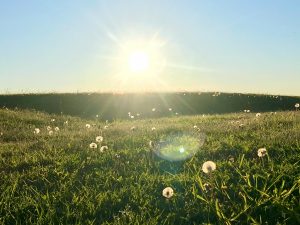
I'm no stranger to anxiety myself and the realisation that Now is, in fact, the only place we can live, has helped me on a personal level. Grasping that the Now is the only truly experienced reality has helped me understand that the past and future exist as memory and imagination and they can be explored and discussed, but they are not where we really live.
Eckhart Tolle wrote extensively on “The Power of Now” (1) - much loved by Deepak Chopra, Oprah Winfrey and other celebrities - it’s a great text for exploring being more present and has inspired this blog.
Tolle (and many other teachers over the millennia) say that if we live in the past - by which I mean our minds and thoughts linger there - we can feel overwhelmed by a variety of emotions such as sadness, anger, resentment and regret. These are valid emotions that are worth exploring in the therapy room, for they inform and teach us. However, it is the staying stuck in the past that can increase feelings of anxiety and depression.
If we live in the future we may predict and worry about things that may never happen. This can feel deeply ingrained into our personality. We may feel the need to plan for and envisage many different outcomes, good and bad, to our choices. Yet we are not able to control the future, uncertainty is a part of life and thinking ahead can bring up a lot of fear. Fear is then experienced in the mind and body as anxiety and can reduce our ability to feel calm in the moment.
One access point to the present is meditation - you could try a short one now:
- Get super comfortable wherever you are sitting or lying and close your eyes gently. Observe your breath and follow the
 movements it creates in your body. Each breath may become longer and more settled as you watch the process. Let yourself relax into the movements your breath creates.
 - Then feel the space around you: sense the air on your skin, and be aware of the space you fill in the room. Listen to the sounds you hear, and gradually and gently focus on the silence between the sounds.
- Observe your thoughts, don’t follow them. Be interested in the space between each thought. Let the mind rest on emptiness or nothingness - stillness.
Many of my clients have found a mindful practice to seek moments of greater presence in their day. We might discuss practising breathwork, yoga or meditation, often using online meditation apps. Other clients might prefer to seek presence in nature, experiencing moments of awe or wonder at the world.
Do get in touch to find out more about mindfulness in counselling sessions with me, either at The Garden Practice in Hove, or online - I hope to hear from you.
Reference: (1) Tolle, E, "The Power of Now, A Guide to Spiritual Enlightenment", 2001, Yellow Kite.